History and Production of Meissen Porcelain
Founded 1710, Meissen pioneered hard‑body porcelain, blending German skill with Chinese inspiration. Early wares featured blue‑on‑white scenes; later periods added floral, Oriental, and figurative designs, setting global standards. This guide explores meissen porcelain identification and value guide for collectors.!!
Founding of the Meissen Factory and Early Innovations
In 1710, the German state of Saxony commissioned Johann Friedrich Böttger and Ehrenfried Walther von Tschirnhaus to produce a hard‑body porcelain that could rival Chinese imports. After years of trial, the first successful batch emerged in 1717, marked by the iconic crossed‑sword seal. Early Meissen pieces were simple blue‑on‑white landscapes and floral motifs, reflecting the Baroque taste of the era. The factory introduced the first European use of a porcelain body made from kaolin, feldspar and quartz, a breakthrough that set the foundation for future decorative techniques. By 1720, the manufactory began experimenting with underglaze enamels, allowing for more vivid color palettes. The introduction of the “Meissen” monogram on the base of each piece served both as a quality guarantee and a branding tool, establishing a reputation that would endure for centuries. These early innovations not only defined the aesthetic of Meissen but also cemented its status as a benchmark for porcelain production worldwide. The early 18th‑century designs were heavily influenced by the Rococo style, featuring intricate scrollwork, cherubs, and pastoral scenes. In 1725, the factory began producing the famous “Blue Onion” pattern, which became an icon of Meissen artistry. The use of underglaze blue and gold accents became a hallmark, and the factory’s skilled painters refined techniques that would later inspire European porcelain houses. The early period also saw the introduction of the “Meissen” stamp on the underside of each piece, a subtle yet powerful mark of authenticity that collectors still seek today. This section is part of the comprehensive meissen porcelain identification and value guide, helping collectors recognize the earliest marks and assess their historical significance. Collectors prize these originals for their rarity and.
Evolution of Decorative Styles Through the 18th and 19th Centuries
From the 1720s onward, Meissen’s decorative repertoire expanded beyond blue‑on‑white landscapes to embrace the exuberant Rococo, the refined Neoclassicism, and later the Romantic and Orientalist trends that dominated European taste. The early 18th‑century “Blue Onion” pattern, introduced in 1725, became a signature motif, featuring a stylized onion with gold leaf accents and delicate blue glaze. By the 1740s, the factory began producing the “Petersburg” series, incorporating intricate floral scrolls and cherubs that reflected the courtly elegance of the time. The 1760s marked a shift toward Neoclassicism; Meissen artists adopted classical Greek and Roman themes, evident in the “Apollo” and “Venus” series, with restrained color palettes and balanced compositions. The 1790s saw the rise of the “Oriental” style, inspired by trade with the East; this period introduced lacquered surfaces, exotic motifs, and vibrant reds and greens, culminating in the famous “Oriental” tea sets. The 19th century brought Romanticism and the “Biedermeier” aesthetic, characterized by pastoral scenes, pastoral landscapes, and a return to simplicity. The 1830s introduced the “Gothic” series, featuring medieval motifs and darker hues. Throughout these transitions, Meissen maintained its hallmark crossed‑sword seal, but the decorative numbers and painter signatures evolved, offering collectors a rich tapestry of styles to identify and value. This section of the meissen porcelain identification and value guide highlights the key stylistic shifts that define each era’s unique visual language, enabling accurate dating and appraisal of historic pieces.
In the 1850s, Meissen embraced the Industrial Revolution’s influence, producing larger dinnerware sets with simplified motifs to appeal to the burgeoning middle class. The 1860s introduced the “Bavarian” series, featuring elaborate floral patterns and gold rim accents. By the 1870s, the factory experimented with new glazing techniques, such as the “Satin” glaze, giving a subtle sheen to porcelain. The 1880s saw the “Art Nouveau” movement reflected in sinuous lines and natural forms, while the “Biedermeier” revival continued to produce understated elegance. These later styles demonstrate Meissen’s adaptability and continued relevance in a rapidly changing artistic landscape. Collectors often note the subtle shift in brushwork during the 1880s, which marks the transition from traditional to modern aesthetics.
Authenticity Marks and Identification Techniques
Meissen’s crossed swords seal is the primary authenticity mark. Variations appear by era: early swords are simple, later ones include decorative numbers, painter codes, and year stamps. Careful inspection of these marks, along with glaze quality, confirms genuine pieces. Check sword curvature and glaze sheen for authentic

Crossed Swords Trademark and Period Variations
Meissen’s crossed swords seal is the definitive hallmark of authenticity. The original 1710 mark featured two simple, parallel swords with a subtle curve, set beneath a small “M” monogram. By the 1730s, the swords gained a slight flourish at the hilts, and the monogram became more pronounced. In the 1760s, the swords were enlarged, and a decorative number was added between them, indicating the factory’s production batch. The 1790s introduced a subtle shadow effect on the swords, signifying a change in glaze composition. During the 1820s, the swords were rendered with a firmer body porcelain. The 1850s mark added a year stamp beside the swords, often in Roman numerals, to aid in precise dating. By the late 19th century, the swords were simplified again, but the monogram was enlarged to improve legibility. In the 20th century, Meissen introduced a stylized sword design with a small, embossed “M” at the base, a clear indicator of modern production. Collectors must examine the sword’s curvature, the spacing of the monogram, and the presence of any additional numbers or year stamps to accurately determine the piece’s era and authenticity. Proper identification of these variations is essential for accurate valuation and for distinguishing genuine Meissen from high‑quality reproductions. Collectors should also verify the glaze’s subtle blue‑green undertone, which indicates a 19th‑century batch, and consult auction archives for comparable pieces to gauge market trends. A faint “M” monogram on the underside of the base indicates 20th‑century production and can boost a piece’s desirability among collectors. These details help gauge a piece’s market value!
Decorative Numbers, Painter Numbers, and Year Marks
Decorative numbers on Meissen porcelain are small, often Roman numerals or Arabic digits, placed near the base or inside the rim. They denote the factory’s production batch and are crucial for dating early 18th‑century pieces. Painter numbers, usually a single digit or a short sequence, identify the artist responsible for the hand‑painted scene. These numbers are typically found on the underside of the base or within the rim’s seam. Year marks, often in Roman numerals, appear beside the crossed swords or on the underside of the base, indicating the exact year of manufacture. The combination of decorative, painter, and year marks allows experts to pinpoint a piece’s provenance, assess its rarity, and establish its market value. Collectors should cross‑reference these marks with auction records and museum catalogs to confirm authenticity and to evaluate the piece’s condition and historical significance. Accurate identification of these marks is essential for a reliable valuation and for distinguishing genuine Meissen from high‑quality reproductions. Collectors often consult the Meissen catalogues, which list painter numbers alongside the corresponding artist’s name and the years active. For example, painter number 3 corresponds to Johann Gottfried Schütz, active 1740–1760, whose floral motifs are highly prized. Similarly, painter number 12 denotes the renowned landscape artist Johann Georg Ziegler, whose works are sought after for their atmospheric depth. Year marks in Roman numerals such as MDCCXLV (1755) or MDCCCLX (1860) provide precise dating, while decorative numbers like 12 or 34 indicate the production batch, helping to differentiate early 18th‑century pieces from later 19th‑century reproductions. When evaluating a piece, experts cross‑check the painter number with the style of the scene, the glaze color, and the quality of the hand‑painting. A mismatch between the painter number and the expected style often signals a forgery or a later copy. Additionally, the presence of a year mark on the underside of the base, combined with a decorative number on the rim, can confirm the piece’s authenticity and its place within Meissen’s production timeline. These marks not only aid in authentication but also influence market value, as pieces with well‑documented painter numbers and clear year marks typically command higher prices at auction.
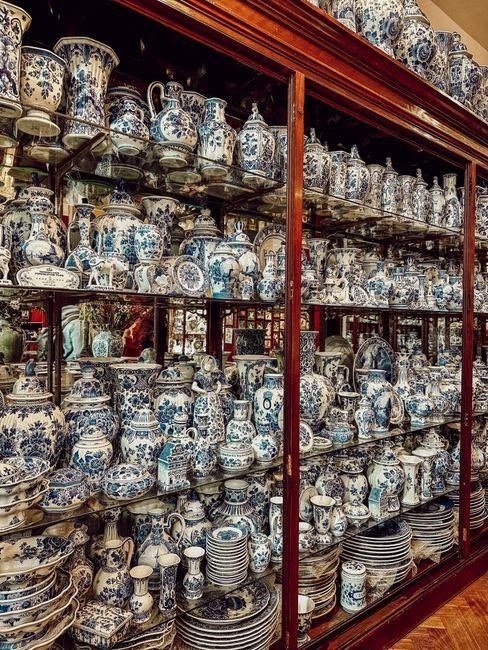
Period Classification and Painter Signatures
Period classification groups Meissen pieces by era, each with distinct motifs. Early (1730s‑1760s) features simple blue‑on‑white; Classic (1760s‑1820s) showcases elaborate floral and Oriental scenes. Painter signatures—often a single number—identify artists, aiding authentication and valuation. Highly prized experts.
Early Meissen (1730s-1760s) Characteristics
Early Meissen porcelain, produced between 1730 and 1760, is distinguished by its pioneering hard‑body composition and modest decorative palette. The factory’s first successful formula combined kaolin, feldspar, and quartz, yielding a translucent, durable body that could be glazed with a thin, bright white glaze. Early pieces often feature the iconic crossed‑sword mark, a hallmark of authenticity, accompanied by a decorative number, a painter’s number, and a year mark. The blue‑on‑white “Schwarzfigur” style, inspired by Chinese blue‑and‑white wares, dominates the early period, with simple floral motifs, scrollwork, and occasional mythological scenes. The glaze is typically a clear or slightly milky white, allowing the underglaze to show through. Paintings are executed with a fine brush, producing delicate, restrained lines. Early Meissen also produced a series of “Rococo” vases with asymmetrical, curving forms and gilded accents, reflecting the evolving European taste. The value of these early pieces is heavily influenced by provenance, condition, and the presence of the original marks. Collectors seek well‑preserved examples with clear, unaltered signatures, as these are rare and command premium prices in the auction market. Proper care—avoiding direct sunlight, maintaining stable humidity, and gentle cleaning—ensures the longevity of these historic artifacts. Understanding the early period’s technical and artistic nuances is essential for accurate identification and valuation within a comprehensive meissen porcelain identification and value guide. The factory’s early workshops were led by Johann Friedrich Böttger, whose experimental techniques laid the groundwork for European porcelain. The production process involved meticulous hand‑painting, with each piece often bearing a unique painter number that identifies the artist responsible for the design. The early period also saw the introduction of the “Blue Onion” pattern, a distinctive motif that would become a hallmark of Meissen’s later output. Additionally, early vases sometimes feature a subtle “Meissen” monogram in the lower corner, further confirming authenticity. The market for early Meissen is highly competitive, with auction houses reporting sales that exceed several thousand dollars for a single, well‑preserved example. Collectors and appraisers must scrutinize the glaze’s thickness, the fidelity of the crossed‑sword mark, and the clarity of the decorative numbers to avoid costly misidentifications. When evaluating early Meissen, experts also consider the piece’s provenance chain, any documented ownership, and its historical context within the broader evolution of porcelain manufacturing. By mastering these identification techniques, enthusiasts can confidently navigate the complex landscape of early Meissen porcelain and make informed decisions about acquisition, preservation, and investment. Furthermore, early Meissen pieces are often accompanied by a subtle “Meissen” monogram in the lower corner, a detail that distinguishes genuine factory wares from later reproductions. The glaze’s translucency, combined with the fine brushwork, creates a luminous effect that is prized by collectors. In addition, the early period’s limited production runs mean that many surviving examples are one‑of‑a‑kind, increasing their rarity and desirability. For those seeking to authenticate a piece, a thorough examination of the crossed‑sword mark’s depth, the painter’s number’s legibility, and the year mark’s placement is essential. When these elements align, the piece can be confidently classified as an early Meissen, and its value will reflect its historical significance and artistic merit. Collectors value pieces with glaze and unaltered marks. They command high prices.
Classic Period (1760s-1820s) Iconic Motifs
The Classic Period of Meissen, from 1760 to 1820, marks a shift toward refined and artistry.
During this era, the factory introduced iconic motifs like the Blue Onion pattern and Rococo scrollwork, rendered with a translucent glaze that allowed underglaze to shine.
The crossed‑sword mark, decorative numbers, painter’s numbers, year marks became identifiers, enabling collectors to authenticate pieces accurately;
The Blue Onion, first refined in the 1760s, features a stylized onion with swirling blue glaze, a hallmark of the period that remains highly prized.
Rococo vases showcase asymmetrical forms, gilded accents, and elaborate scrolls, reflecting contemporary European tastes.
Oriental motifs, with pagoda silhouettes and bright enamel, capture exotic allure, while the use of gold leaf adds luxury.
Technical advances allowed for more complex shapes like the Berg vase and Swan bowl, further expanding Meissen’s repertoire.

Today, Classic Period pieces command high auction prices, with provenance, condition, and intact marks significantly influencing value.
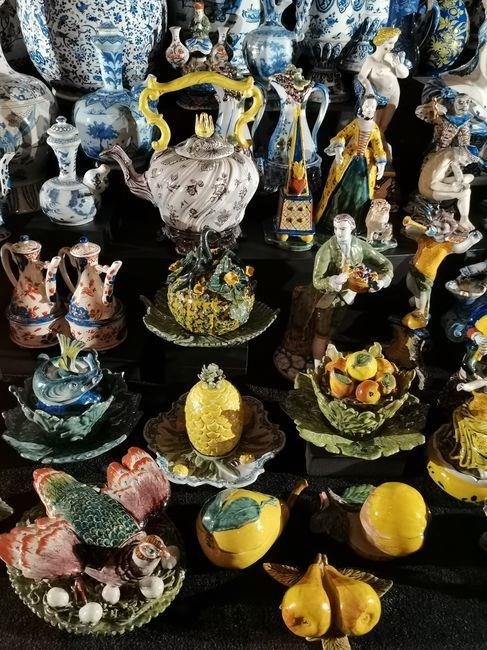
Proper care—avoiding direct sunlight, maintaining stable humidity, and gentle cleaning—ensures longevity.
Understanding these motifs, marks, and production techniques is essential for accurate identification and valuation within a comprehensive meissen porcelain identification and value guide.
Collectors consult auction catalogs, museum records, and expert monographs to verify provenance. History intact marks can raise a piece’s desirability and command premium prices!

Value Determinants and Market Trends
Value hinges on provenance, rarity, condition, and authenticity. Auction results reveal trends, with Classic pieces fetching premium prices. Expert appraisals and market reports guide collectors, ensuring informed decisions in the dynamic Meissen market. Expert analysis guides valuation.
Provenance, Auction Results, and Expert Appraisals
Provenance remains the cornerstone of a Meissen’s market value, with documented ownership chains—especially those linking a piece to royal households, renowned collectors, or historic estates—often commanding premium prices. Auction houses such as Christie’s, Sotheby’s, and Bonhams routinely release catalogues that detail sale prices, offering a benchmark for comparable items. Recent sales of Classic‑period vases have exceeded €150,000, while early 18th‑century pieces with rare decorative numbers can reach upwards of €250,000. Expert appraisals add another layer of credibility; certified specialists examine marks, glaze quality, and stylistic nuances to confirm authenticity and assign a fair market value. Appraisals typically include a detailed report, photographs, and a signed statement of authenticity, which can be pivotal for insurance, estate planning, or resale. Collectors should seek appraisals from accredited institutions or recognized Meissen experts, as these documents are often required by auction houses to verify provenance and ensure compliance with international trade regulations; By combining thorough provenance research, up‑to‑date auction data, and professional appraisal, collectors can confidently navigate the volatile luxury goods market and secure the best possible return on investment. In addition, market trends show a growing interest in Meissen’s Oriental motifs, which have recently commanded higher prices due to their rarity. Seasonal fluctuations, such as the peak auction season in late spring, can also influence final sale amounts. Collectors are advised to monitor auction house newsletters and participate in pre‑auction viewings to assess condition and authenticity before bidding. Finally, maintaining meticulous records of all appraisals and provenance documentation ensures transparency and can significantly enhance resale value in future transactions.
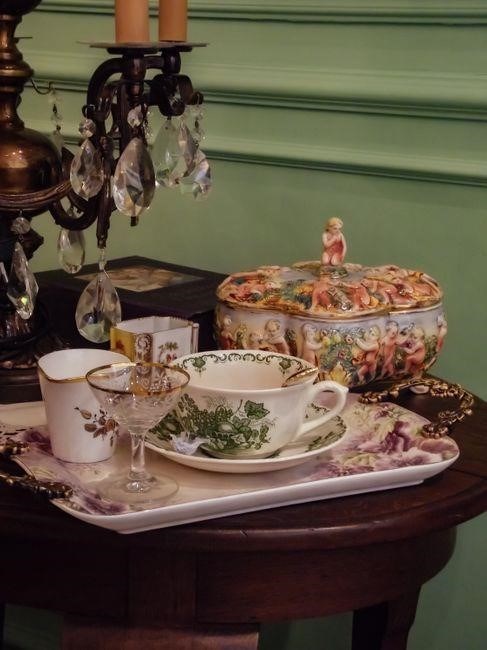
Care, Preservation, and Avoiding Counterfeits
Proper cleaning uses mild soap, warm water, and a soft brush; never use abrasive cleaners. Store in a cool, dry place, wrapped in acid‑free tissue. Watch for cracked glaze, missing crossed swords, or off‑color paint—red flags for fakes. Regular inspection preserves value; Handle with gloves, avoid sunlight, seek advice for.
Common Counterfeit Features and Red Flags
Counterfeit Meissen pieces often lack the authentic crossed‑swords mark or display a poorly executed version. The swords may be too thin, too thick, or have uneven spacing, and the engraving may be shallow. Genuine marks are etched with a fine line, whereas fakes use a painted or embossed imitation. The glaze on real Meissen is a translucent, slightly pearly finish; counterfeit glazes tend to be dull, opaque, or show a greenish tint. Paint layers on authentic porcelain are thin and even; counterfeits may have thick, uneven paint that flares or peels. The base color of blue‑on‑white pieces should be a deep, uniform cobalt; counterfeit blue often appears lighter or has a blue‑green undertone. Decorative numbers and painter numbers are usually printed on the underside of the piece, not on the glaze surface; fakes may place them on the glaze or leave them missing entirely. The year mark should match the style of the crossed swords for the corresponding period; mismatched or anachronistic year marks are a red flag. Additionally, Meissen’s early 18th‑century pieces have a slightly waxy feel to the glaze; modern reproductions feel too smooth or plastic. Finally, the weight of a genuine Meissen is heavier than a copy because of the dense body; a light, fragile feel suggests a counterfeit. Check the underside for a faint, continuous line of glaze that runs across the base; this is typical of Meissen and absent in copies. Consult a reputable reference book or online database to confirm the style and period of the piece, and when in doubt, consult a professional appraiser or an auction house for authentication and check for.
When caring for a Meissen piece, use a soft, lint‑free cloth to remove dust; avoid water or cleaning solutions that may damage the glaze. For stubborn stains, a mild, pH‑neutral soap diluted in water can be applied with a damp cloth, then rinsed with a clean, damp cloth and dried immediately. Do not use abrasive pads or harsh chemicals, as they can scratch or alter the glaze. Store items in a cool, dry place, away from direct sunlight, humidity, and temperature swings. Use acid‑free tissue or cotton to line display cases, and place a soft, non‑abrasive pad beneath the piece to prevent chipping. Avoid stacking heavy objects on top of porcelain; instead, use a dedicated shelf or display stand with a stable base. For long‑term storage, wrap the piece in acid‑free paper and place it in a sealed, climate‑controlled box. Display pieces on a level surface, ensuring that the base is supported and that the piece is not exposed to drafts or vibrations. Rotate displayed items periodically to reduce light exposure. When moving a piece, support it from the base and handle it by the rim or base only; never touch the glaze or painted surface. By following these simple, proven steps, you preserve the integrity, appearance, and value of your Meissen collection for generations to come. Collectors should also verify that the glaze shows no signs of crazing or crazed lines, which are typical of later reproductions. A professional appraisal can confirm authenticity and provide a market value estimate, ensuring a fair transaction. Keep it cool, dry!!