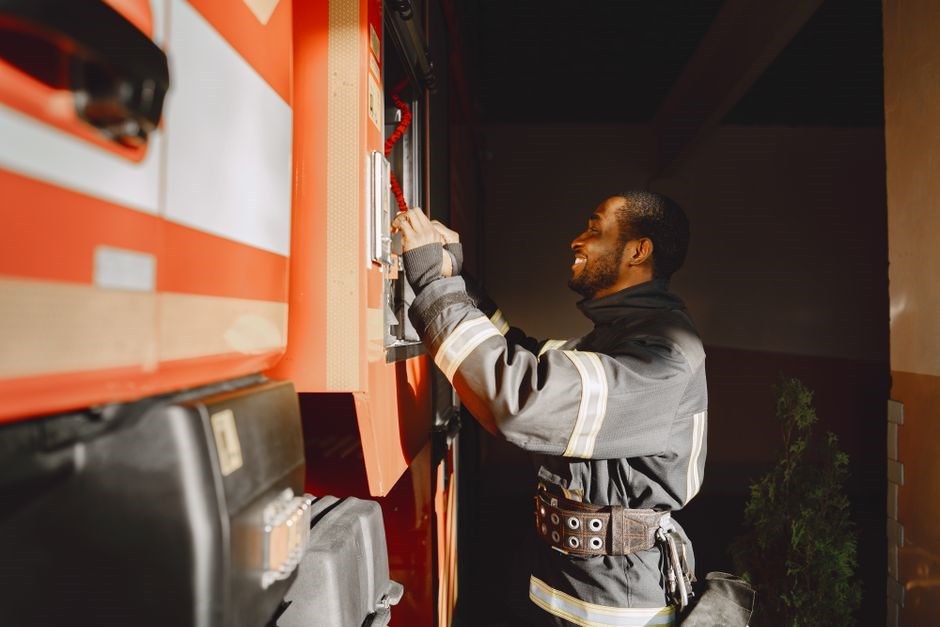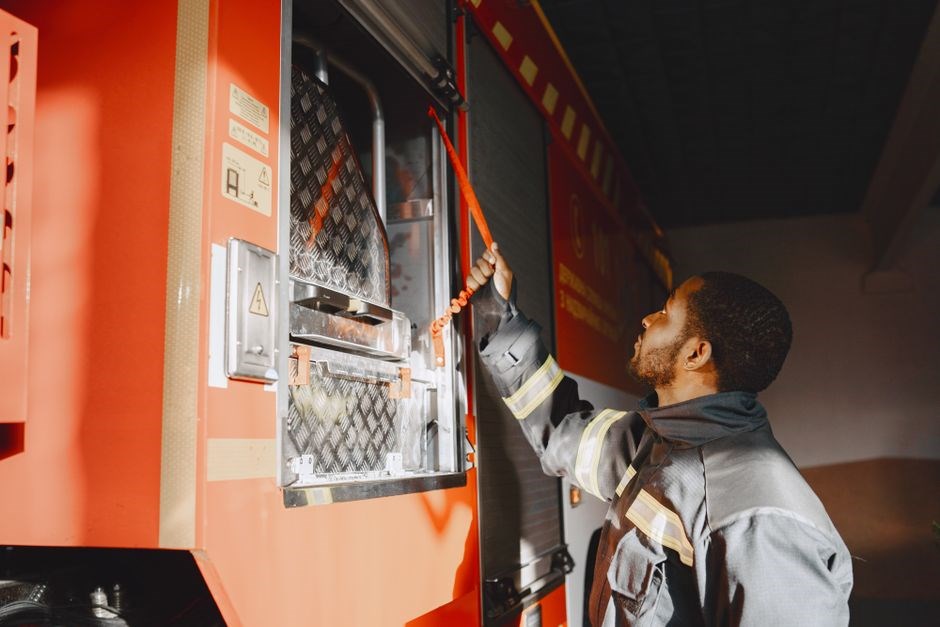
A manual call point is a simple‚ user‑activated device that initiates a fire alarm system when pressed. It provides immediate notification to occupants and authorities‚ ensuring quick response. Its straightforward design makes it essential for safety in public and commercial spaces. It ensures rapid action.

Definition and Function
A manual call point is a fire safety device that allows occupants to manually trigger the building’s fire alarm system. When pressed‚ it sends a signal to the central control panel‚ activating alarms‚ sprinklers‚ and notifying emergency services‚ ensuring swift response promptly.!
Key Features
The manual call point is a critical element in fire safety‚ designed to provide immediate activation of the alarm system by occupants. Its key features include:
- Reliability: Built to withstand harsh conditions‚ ensuring it functions during emergencies.
- Visibility: Brightly colored and clearly labeled‚ making it easy to locate.
- Ease of Use: Simple push‑button operation requires no technical knowledge.
- Durability: Constructed from corrosion‑resistant materials for long‑term performance.
- Compliance: Meets national and international fire safety standards.
- Redundancy: Often paired with other detection systems for layered protection.
- Low Maintenance: Designed for minimal upkeep‚ with clear indicators for service checks.
- Accessibility: Placement guidelines ensure reachability for all occupants.
- Signal Integrity: Sends a clear‚ unambiguous signal to the control panel.
- Emergency Integration: Works seamlessly with fire suppression and evacuation protocols.
In practice‚ a manual call point is often placed near exits‚ stairwells‚ and areas. Its activation triggers audible alarms‚ visual strobes‚ and may initiate sprinkler discharge‚ a response that maximizes occupant safety!
These features collectively ensure that the manual call point remains a dependable‚ user‑friendly tool for safeguarding life and property during fire incidents.
How It Works
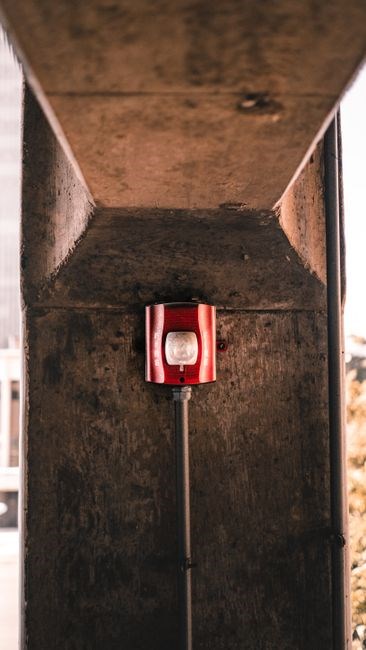
A manual call point is a simple push‑button device that‚ when activated‚ sends a signal through the building’s fire alarm wiring to the central control panel. The panel interprets the signal as a fire alarm trigger‚ immediately activating audible alarms‚ visual strobes‚ and any suppression systems. The device is wired to a dedicated circuit that remains powered even during power outages‚ often via a backup battery or generator‚ ensuring it remains operational when electricity fails.
When the button is pressed‚ it completes a circuit that closes a relay‚ generating a low‑voltage pulse. The control panel receives this pulse and checks its status. If the system is in normal mode‚ the pulse is logged‚ and the alarm sequence begins. The panel may also send a confirmation signal back to the call point‚ lighting a status LED to indicate the alarm is active. In some installations‚ the call point is part of a two‑wire three‑wire system‚ allowing the panel to monitor the device’s health and detect tampering or failure.
After the alarm is triggered‚ occupants are alerted to evacuate‚ and the system may automatically activate sprinklers‚ shut down HVAC trigger other safety measures; The manual call point remains in the “on” state until the alarm is cleared by authorized personnel‚ who reset the panel. This reset process often requires a key or a special reset button on the panel‚ preventing accidental deactivation.

Types and Placement
Manual call points vary: standard‚ dual‑mode‚ and battery‑backed. Placement follows safety codes—near exits‚ stairwells‚ and high‑risk areas—ensuring visibility and easy reach. Proper spacing and signage guide occupants during emergencies. They must be clearly labeled and tested annually!!!
By Building Zone
Manual call points are positioned to meet each zone’s fire safety needs. In high‑traffic areas—lobbies‚ atriums‚ retail corridors—devices sit at eye level‚ within arm’s reach‚ and are spaced no more than 30 m to ensure rapid detection. They instantly alert occupants and fire services‚ regardless of occupancy or layout‚ ensuring safety compliance.
In stairwells and exit routes‚ call points mount on landings and stairwell heads. They must be within 2 m of exit signs and visible from all directions‚ ensuring a fire alarm can be triggered even if a person is trapped on a floor or cannot reach the main panel. They link to emergency services.
For high‑risk zones—kitchens‚ labs‚ mechanical rooms—specialized call points with higher sensitivity and battery backup are installed. They pair with local suppression systems and are wired to a dedicated alarm circuit. Placement follows stricter spacing‚ typically 15–20 m‚ to account for rapid fire spread. Enhancing safety.
In residential and low‑rise buildings‚ manual call points integrate into the fire alarm control panel network. They sit near main entrances‚ each floor’s landing‚ and communal areas. Spacing is less stringent‚ often 40–50 m‚ reflecting lower occupant density and reduced fire load. Efficient.
Compliance with fire codes dictates exact spacing and placement. Designers conduct risk assessments‚ considering occupancy type‚ building height‚ and fire load. The result is a tailored layout that balances cost‚ usability‚ and safety‚ ensuring every zone has a reliable‚ accessible manual call point. Safe.

By Design Specifications
Design specifications dictate the device’s tolerance. In areas prone to dust‚ moisture‚ or corrosive gases—such as industrial kitchens‚ laboratories‚ chemical storage rooms—call points are sealed to IP65 or higher‚ ensuring reliable operation under harsh conditions. For high‑temperature zones‚ such as boiler rooms‚ mechanical spaces‚ device’s housing is rated for up to 200 °C‚ preventing failure when exposed to heat. The mounting bracket is engineered to accommodate standard custom wall finishes‚ allowing seamless integration into architectural plans.
Manual call points come in a range of designs that balance durability and visibility. The most common form is a lever‑activated panel mounted on a wall or door frame‚ featuring a bright red or orange indicator that turns green when pressed. The lever is engineered to withstand repeated use‚ with a robust spring mechanism that returns the handle to its neutral position after activation. The indicator light is powered by a dedicated circuit‚ and in many modern systems it is supplemented by a small audible alarm that confirms the call point has been triggered.
Accessibility is a key design requirement. The lever’s height and clearance must comply with the Americans with Disabilities Act (ADA) or equivalent local regulations‚ ensuring that individuals with mobility impairments can reach the device without assistance. The lever’s travel distance is standardized to 10–15 mm‚ providing a tactile cue that call point has been engaged. In addition‚ many manufacturers offer a “dual‑mode” design that combines a manual lever with an integrated electronic sensor‚ enabling automatic activation when smoke or heat is detected‚ while still allowing manual override. These features guarantee that users can quickly activate the alarm now.
Installation Standards
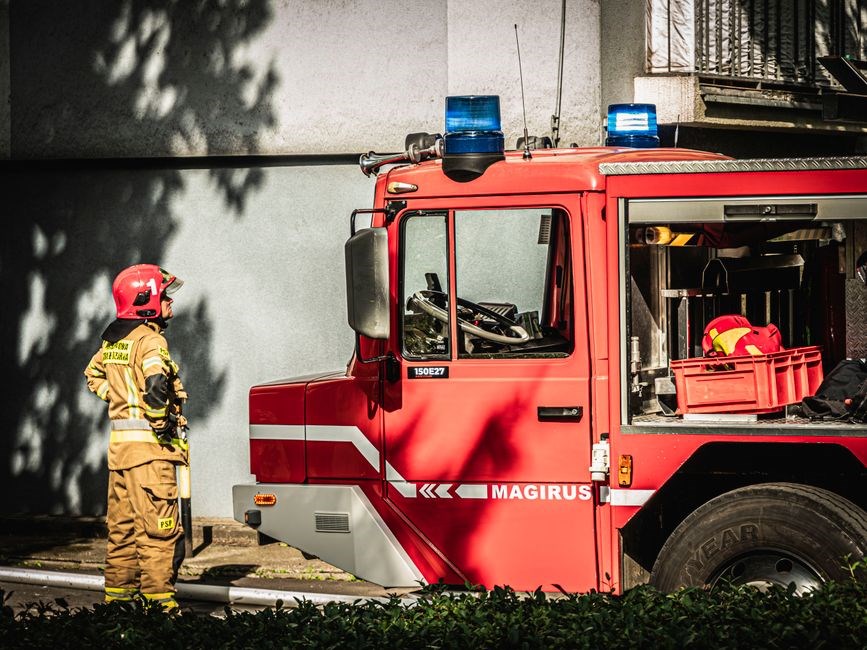
Installation standards for manual call points mandate compliance with national fire codes‚ specifying mounting height‚ clear signage‚ and accessible placement. Wiring must connect to the alarm system with grounding and redundancy. Regular inspections confirm integrity and readiness.
National Fire Codes
National fire regulations establish the mandatory criteria for the design‚ installation‚ and maintenance of manual call points. These codes define the required response times‚ the minimum number of devices per floor‚ and the specific locations where devices must be installed to ensure optimal coverage. They also prescribe the electrical standards‚ including the need for a dedicated circuit‚ proper grounding‚ and the use of approved materials that meet fire resistance and durability requirements. Compliance with these regulations is verified through periodic inspections and certification by licensed fire safety professionals. Failure to adhere can result in penalties‚ increased insurance premiums‚ and‚ most critically‚ compromised safety for occupants.
In addition‚ national codes require that manual call points be tested annually by certified personnel‚ with results logged in a central database. The testing protocol includes a visual inspection‚ functional test‚ and verification of the alarm signal to the control panel. Documentation must be retained for at least five years to satisfy audit requirements;
Non‑compliance can trigger enforcement actions ranging from fines to mandatory retrofits. Building owners must coordinate with local fire authorities to schedule inspections and obtain certificates of compliance. These certificates are often a prerequisite for insurance coverage and occupancy permits.
Adhering to national fire codes protects lives and ensures the manual call point system remains reliable for emergencies reinforce culture across buildings for now!
International Guidelines
International standards such as ISO 7240-4‚ NFPA 72‚ and the IEC 60825-1 provide a framework for the performance and safety of manual call points. These guidelines specify the required response times‚ the necessary visibility and accessibility of devices‚ minimum mechanical force needed to activate the alarm. They also mandate that call points be installed in accordance with a risk‑based approach‚ ensuring that high‑occupancy areas critical zones receive priority placement The standards require that devices be constructed from fire‑resistant materials‚ be resistant to environmental factors‚ and maintain a clear indication of status through color coding or LED signals. Compliance is verified through third‑party testing laboratories that certify each device against the relevant international criteria. Documentation of test results and installation records must be maintained for a minimum of five years‚ and periodic audits are recommended to confirm ongoing adherence. These guidelines also emphasize the importance of training for occupants and maintenance staff‚ ensuring that all parties understand the correct operation and troubleshooting procedures. By aligning with international best practices‚ organizations can achieve interoperability across borders‚ facilitate global supply chains‚ and enhance overall safety for occupants worldwide.
These devices are also designed to withstand extreme temperatures‚ chemical exposure‚ and mechanical shock‚ ensuring reliability in harsh environments. Proper installation and regular checks guarantee that the system remains functional when it matters most
Maintenance and Testing
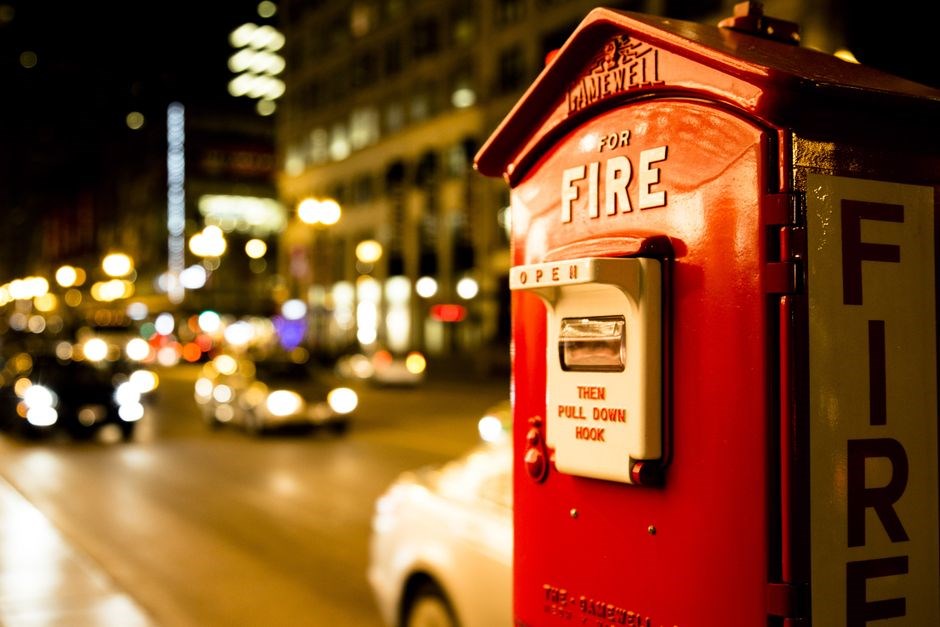
Regular maintenance of manual call points involves visual inspections‚ functional tests‚ and cleaning. Inspect for corrosion‚ ensure the button is free to depress‚ and verify indicator lights. Perform annual functional tests‚ document results‚ and replace any defective units promptly. Keep a log of inspections‚ record dates!
Routine Checks
Routine checks are essential to ensure manual call points remain functional and reliable. A systematic inspection schedule should be established‚ typically on a monthly basis‚ with more frequent checks in high‑risk areas. The call point’s connection to the fire alarm system must be verified; this includes checking the wiring for continuity‚ ensuring that the circuit breaker is not tripped‚ and confirming that the alarm panel registers the call point’s status. If any component fails‚ it must be replaced or repaired promptly‚ and the incident recorded in a maintenance log. Documentation should include the date of inspection‚ the inspector’s name‚ any issues found‚ and corrective actions taken. This log is vital for compliance audits and for tracking the lifespan of each device. Periodic inspections help detect early signs of wear‚ ensuring that each manual call point remains ready to trigger the fire alarm system when needed today. By adhering to a strict routine check protocol‚ facilities can maintain the integrity of their fire protection systems and provide peace of mind to occupants.

Common Issues
Manual call points can experience a range of problems that compromise safety and reliability. One frequent issue is mechanical failure‚ where the lever or button becomes stuck‚ often due to corrosion‚ dust accumulation‚ or physical damage. Electrical faults also occur‚ such as broken contacts‚ loose wiring‚ or insulation breakdown‚ which can prevent the alarm from being triggered. Environmental factors play a role; exposure to high humidity‚ temperature extremes‚ or chemical fumes can degrade components. Inadequate installation‚ like improper grounding or incorrect wiring‚ leads to intermittent operation or false alarms. User misuse—pressing the call point repeatedly or applying excessive force—can damage the internal mechanism. Over time‚ wear and tear on the sealing gasket can allow moisture ingress‚ causing short circuits. Finally‚ aging of the device’s internal components‚ such as the spring or switch contacts‚ can result in unreliable performance. Regular inspection‚ cleaning‚ and timely replacement are essential to mitigate these risks.
In many jurisdictions‚ fire alarm panels require a redundant power source; failure to maintain this redundancy can lead to a false sense of security. Moreover‚ vandalism or accidental damage by occupants can compromise the integrity of the call point‚ necessitating immediate inspection. Environmental contamination‚ such as oil or grease from nearby machinery‚ can corrode contacts and impede proper operation. Regular signage updates help ensure users recognize the call point’s importance and act promptly during emergencies. Add labels